

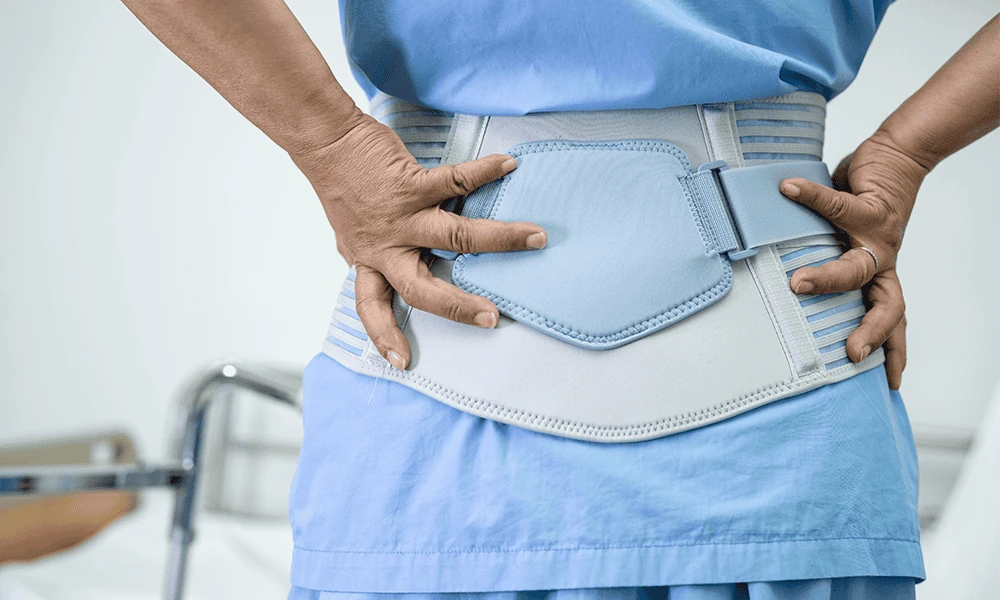
An abdominal hernia may lead to a discomfort level varying from mild pressure to a persistent pain, which makes performing every daily life activity including standing or sitting for long hours, moving, and bearing any weight impossible or very unpleasant.
A hernia belt for men can be used to aid recovery. It is an orthopedic aid that can provide a sense of relief, but not as a cure for a hernia. It serves as an assist and to aid the management of hernia indications and your life. It works better if proper and effective usage is taken with the right choice of size and if proper care has been exercised while wearing the belt to contain the hernia condition effectively.
In this blog, we will explain how an abdominal hernia belt can help with pain management and the additional lifestyle practices that support better symptom control.
Understanding Hernia Pain and How an Abdominal Belt Helps
A hernia occurs when an internal part of the body-such as an organ, muscle, or piece of tissue-bulges through a weakening of adjacent muscle or connective tissue. Symptoms usually worsen with activities that increase intra-abdominal pressure, such as coughing, straining to lift or move a heavy item, or prolonged standing.
Symptoms may include:
- An abdominal bulge or groin bulge that you can see
- Pain or soreness of varying intensities mild to moderate
- A feeling of pressure or a heavy sensation
- More pain after any physical task
- Pain felt while coughing or sneezing
Wearing an abdominal hernia belt offers constant, gentle compression against the weakened area, and this added pressure might reduce motion of the hernia during movement and exercise, feeling better for movement activities.
Potential advantages when using an abdominal hernia belt:
- Decrease aches while walking and standing
- Gentle support for weakened abdominal muscles
- Improved confidence while performing light daily tasks
- Better comfort before scheduled hernia surgery
- Additional support during recovery when recommended by a healthcare provider
- Although many users experience relief, the belt should never replace proper medical evaluation or delay necessary treatment.
Choosing the Right Abdominal Hernia Belt
It is important to find a belt that fits you. An overly snug belt may be restrictive and therefore uncomfortable and a too loose belt may not offer enough support. To choose an abdominal hernia belt:
- Right Fit: Make sure to measure the waist around your hips as per the manufacturer’s guidance rather than your usual clothes sizes.
- Adjustable Compression: By providing different levels of compression at different points of the day via the adjustable straps, the belt won’t become excessively tight.
- Fabric of the belt : Using the light weighted soft comfy fabrics, so it can help the belt absorb the sweat and reduce the frictions.
- Quality Build: An elastic belt that holds its supportive shape due to high quality stitching, and dependable fastenings.
How to Wear an Abdominal Hernia Belt Safely
It is essential to wear your belt the correct way to obtain optimal relief from pain. It can limit its effects or cause discomfort if the belt is worn incorrectly. Just apply the simple suggestions:
- If advised, place the support pad or compression area squarely on the hernia.
- Fasten the rib belt for male while lying down if advised, as this may allow the hernia to reduce more easily before securing the belt.
- Make sure that the belt feels tight without any restricted breathing or movement.
- Not too tight – an overly compressive strap will only be uncomfortable.
- If skin sensitivity happens, a light cotton shirt layer may be put on below the belt.
- Check the skin regularly for signs of redness or pressure.
- Readjust the strap if it moves up to another level during the day.
Lifestyle Tips to Support Pain Management
Although it might be a good addition in conjunction with the other remedies the stomach hernia belt and lifestyle may work more optimally.
Avoid Doing Heavy Lifting: Do not put excess strain on your abdomen as heavy lifting can aggravate hernia symptoms. Use proper lifting form and seek assistance when necessary.
Manage your Weight: The excess body fat strains abdominal wall muscles. Managing your weight can slowly and systematically ease the pressure on your hernia.
Control Chronic Coughing: Chronic coughing can create increased abdominal pressure. Heal any allergy, infection or underlying respiratory illness so the chronic pressure can stop.
Maintaining a Good Posture: Sitting or standing with a tall posture can help in proper distribution of weight across the body and to reduce the stress on your abdominal muscles.
Conclusion
This orthopedic hernia belt can be a valuable supportive aid for managing discomfort associated with certain types of hernias. With gentle compression and stability, it may help reduce pain during everyday activities such as walking, standing and light movement.
Proper fit, correct belt wear and medical advice are crucial for proper utilization of the product. The belt may be even more effective and comfortable to wear throughout daily life with additional health habits including staying within normal weight range, avoiding excessive lifting and practicing the high-fiber diet while ensuring some regular activity at safe levels.
Most importantly of all, keep in mind that wearing an abdominal hernia belt is not the same thing as having it cured. Continued medical monitoring is still recommended. If an abdominal hernia condition is recovered effectively and quickly with medical advice, a quick relief can be obtained from this.
