

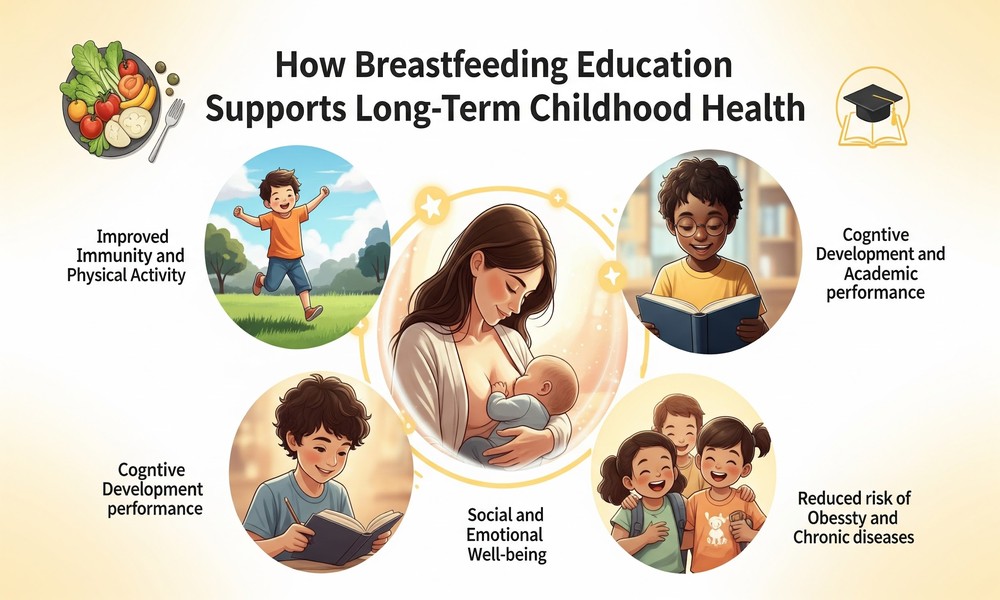
Laying the Groundwork for Lifelong Wellness
Breastfeeding is often discussed in terms of nutrition during infancy, but its influence extends far beyond the first months of life. Early feeding experiences can shape immune resilience, neurological development, emotional regulation, and even long-term health behaviors. When families are supported with accurate education and realistic expectations, breastfeeding becomes not just a feeding method but a foundation for holistic childhood wellness.
For many parents, breastfeeding is a learned skill rather than an instinctive process. Challenges such as latch difficulties, supply concerns, or pain can create stress at a time when families are already adjusting to profound change. Without guidance, these difficulties may lead to early weaning or ongoing anxiety around feeding.
Education and support help families understand that breastfeeding success is not defined by perfection, but by responsiveness, flexibility, and informed care.
Breastfeeding as a Developmental Process
Breastfeeding engages multiple systems within an infant’s body. Suck-swallow-breathe coordination supports oral motor development, while skin-to-skin contact contributes to nervous system regulation and bonding. These early experiences influence how infants respond to stress, regulate emotions, and engage with their environment.
Beyond physical development, feeding interactions shape early communication. Eye contact, vocalization, and rhythm during feeding all contribute to early social and cognitive growth. When feeding is calm and supported, infants are better able to process sensory input and build trust with caregivers.
Understanding breastfeeding as a developmental process rather than a purely nutritional one allows families to see feeding challenges as opportunities for guided support rather than personal failure.
The Importance of Breastfeeding Education and Lactation Support
Breastfeeding education provides families with tools to navigate both expected and unexpected challenges. Prenatal classes can prepare parents for common scenarios, while postpartum support helps address real-time concerns as they arise. Education empowers families to make informed decisions that fit their circumstances.
Programs such as Corporate Lactation Services, which offer breastfeeding classes and lactation support, help families build confidence through evidence-based guidance. These services may address latch techniques, milk production, pumping strategies, and transitions back to work, all while reinforcing realistic expectations. Visit https://corporatelactation.com/ for more information.
When education is accessible and ongoing, families are more likely to sustain feeding practices that support infant health and caregiver well-being.
How Feeding Success Influences Long-Term Physical Health
Early feeding experiences can influence immune development, digestive health, and metabolic regulation. Breastfeeding has been associated with lower rates of certain infections during infancy, as well as potential protective effects against chronic conditions later in life.
However, the long-term benefits of breastfeeding are not solely dependent on duration or exclusivity. Responsive feeding-where caregivers attune to hunger and fullness cues-plays a significant role in shaping healthy relationships with food. Education helps families understand these cues and adapt feeding approaches as infants grow.
By focusing on feeding quality rather than rigid benchmarks, families can support physical health outcomes that extend well beyond infancy.
The Role of Pediatric Care in Monitoring Growth and Development
As children grow, pediatric care becomes essential in monitoring how early feeding experiences translate into physical and developmental milestones. Regular checkups allow clinicians to assess growth patterns, nutritional status, and overall health while addressing parental concerns.
Providers such as Level One Urgent Care (www.leveloneurgentcare.com), which offer pediatric care, help families navigate the transition from infancy to early childhood. Pediatric care supports feeding transitions, evaluates developmental progress, and ensures that early concerns are identified and addressed appropriately.
When pediatric care is informed by a child’s feeding history, clinicians can provide more personalized guidance that supports long-term wellness.
Feeding, Sensory Processing, and Neurodevelopment
Feeding experiences are closely linked to sensory processing and neurodevelopment. Infants learn to interpret taste, texture, temperature, and rhythm during feeding, which can influence later responses to food and sensory input. For some children, early feeding challenges may signal differences in sensory integration or motor coordination.
Parents may notice signs such as gagging, food aversion, or difficulty transitioning to solids. These experiences can be stressful, particularly if families feel unsure about what is typical versus when to seek support.
Understanding the connection between feeding and sensory development allows families to approach challenges with curiosity and compassion rather than fear.
Developmental Therapy and Early Support
When children benefit from additional developmental support, early intervention can help strengthen communication, adaptive skills, and emotional regulation. Therapy services are most effective when they align with a child’s medical history and family environment.
Organizations like Sunshine Advantage, which provide developmental therapy and ABA therapy for neurodivergent children, support skill-building while respecting each child’s unique profile. Early developmental support can help children navigate sensory, behavioral, or communication differences that may intersect with feeding experiences.
By integrating developmental therapy into a child’s broader care plan, families can address challenges proactively and support long-term confidence and independence.
Supporting Parents Through Education and Reassurance
Parental confidence plays a significant role in childhood health outcomes. When caregivers feel informed and supported, they are better equipped to respond to challenges without excessive stress. Breastfeeding education helps normalize variability in feeding journeys and reinforces that support is always available.
Education also reduces the emotional burden many parents carry when expectations do not align with reality. Understanding that feeding success looks different for every family helps caregivers release guilt and focus on connection and responsiveness.
Supporting parents is not separate from supporting children-it is a critical component of long-term wellness.
Creating Continuity From Infancy Through Early Childhood
The most effective care models recognize that early feeding, pediatric monitoring, and developmental support are interconnected. Information shared across providers helps ensure consistency in guidance and reduces confusion for families navigating multiple services.
Continuity of care allows feeding education to inform pediatric assessments, which in turn guide developmental support when needed. This collaborative approach helps families feel seen and supported rather than fragmented across systems.
When care evolves alongside a child’s growth, early interventions become stepping stones rather than isolated events.
Conclusion: Education as the Root of Lifelong Health
Breastfeeding education does more than support feeding-it shapes how families approach health, development, and caregiving across childhood. When families are equipped with knowledge, guidance, and reassurance, they are better prepared to support their children’s physical, emotional, and developmental needs.
By viewing feeding as part of a larger wellness journey, healthcare providers and caregivers can work together to create environments where children thrive. Long-term childhood health is built not through isolated interventions, but through informed, compassionate care that begins at the very start of life and grows with the family.
