

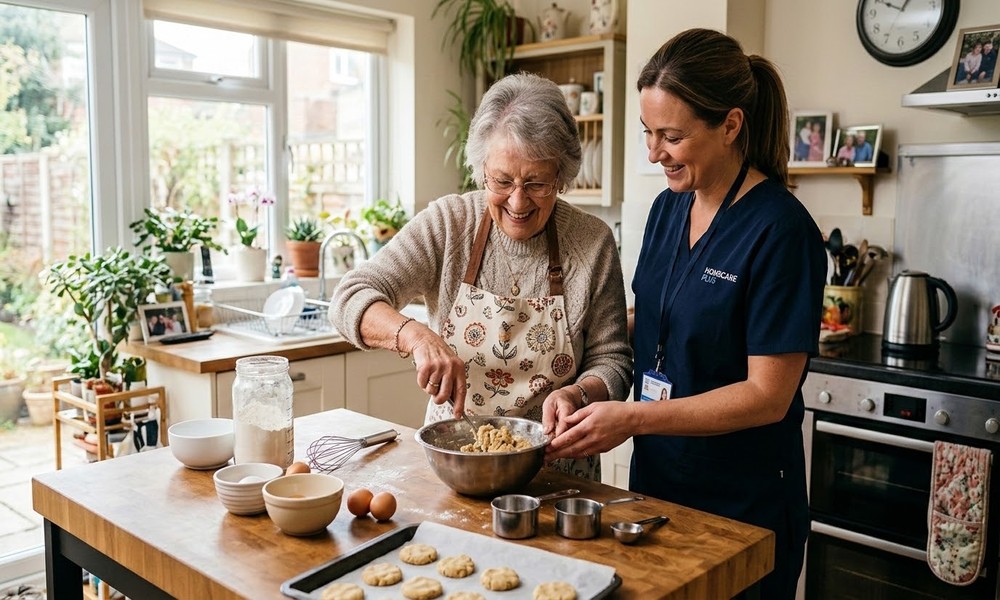
Aging at home is a priority for many older adults. Familiar surroundings, personal routines, neighborhood connections, and a sense of control can all support emotional well-being. For many seniors, home is more than a place to live. It represents comfort, identity, and stability.
Staying independent at home often takes planning. Changes in mobility, medication needs, memory, nutrition, chronic conditions, and daily routines can make once-simple tasks harder to manage. Homecare support helps bridge that gap by giving seniors practical assistance while allowing them to stay involved in their own lives.
Understanding Independence in Later Life
Independence does not have to mean doing everything alone. For many older adults, it means making choices, keeping familiar routines, staying involved in care decisions, and living in the least restrictive setting possible. The right support can protect independence rather than take it away.
For example, a senior who receives help with bathing, meal preparation, or transportation may be able to continue living safely at home instead of moving into a higher level of care. Support services work best when they are built around the person’s abilities, preferences, health needs, and long-term goals.
Help With Daily Living Tasks
Daily living tasks can become harder with age, especially for someone managing arthritis, balance issues, fatigue, vision changes, or recovery from illness. Homecare aides and caregivers can help with bathing, dressing, grooming, light housekeeping, laundry, meal preparation, and daily routine reminders.
This kind of assistance reduces the risk of accidents and helps seniors save energy for the activities that matter most to them. A caregiver might prepare a nutritious lunch, help organize the home to reduce clutter, or assist with getting ready for a medical appointment. These small forms of support can make the day feel less overwhelming and more manageable.
In Colorado, Alpenglow Homecare in Aurora is one example of a service focused on caregiver support and daily living assistance. Services like these can help seniors receive practical help at home while maintaining as much personal independence as possible.
Safety Planning Inside the Home
A safe home environment is one of the foundations of aging in place. Falls, medication mistakes, poor lighting, loose rugs, and hard-to-reach items can all increase risk. Homecare support often includes observing the living environment and helping families identify changes that may improve safety.
Simple adjustments can make a meaningful difference. These may include adding grab bars in the bathroom, improving hallway lighting, removing tripping hazards, keeping frequently used items within reach, and making sure pathways stay clear. Caregivers may also notice patterns, such as a senior becoming unsteady at certain times of day or skipping meals when cooking feels too tiring.
Safety planning is not about limiting freedom. It is about reducing preventable risks so seniors can keep using their homes comfortably. With consistent support, small concerns can often be addressed before they become emergencies.
Companionship and Emotional Well-Being
Social connection plays a major role in healthy aging. Seniors who live alone may face loneliness, especially after the loss of a spouse, reduced driving ability, retirement, or changes in family availability. Companionship can help ease isolation and add structure to the day.
A caregiver may share conversation, assist with hobbies, accompany someone on walks, help with errands, or support participation in community activities. These interactions can improve mood and help seniors feel seen, valued, and connected. Emotional support is especially important for older adults managing grief, chronic illness, or major life transitions.
In New Mexico, AlpenglowCaresNM.com is connected with Medicaid caregiver guidance and companionship. Services in this category can help families better understand available support options while addressing the social and practical needs that shape daily quality of life.
Mobility Support and Fall Prevention
Mobility challenges are one of the most common reasons seniors begin needing extra help. Trouble walking, standing from a chair, climbing stairs, or moving safely around the home can increase the risk of falls and injury. Caregivers can provide steadying support, help with transfers, and encourage safe movement based on the person’s care plan.
Mobility support may also include reminders to use walkers, canes, braces, or other assistive devices correctly. Some older adults avoid using these tools because they feel embarrassed or see them as a sign of lost independence. In reality, mobility aids often help preserve independence by making movement safer and more reliable.
Caregivers are not a replacement for physical therapists or physicians, but they can reinforce safe habits. They may help seniors follow prescribed exercises, keep walkways clear, and report changes in strength, balance, or pain to family members or healthcare professionals.
Coordinated Healthcare and Preventive Medicine
Aging safely at home depends on more than help with daily tasks. Regular healthcare also matters. Preventive medicine, routine screenings, medication reviews, chronic disease management, and early attention to symptoms can help seniors avoid complications and unnecessary hospital visits.
Care coordination may involve primary care providers, specialists, caregivers, family members, pharmacists, therapists, and community resources. When everyone communicates clearly, seniors are more likely to follow treatment plans, attend appointments, and understand changes in their health. Good coordination also helps families recognize when a loved one may need more support.
Grand Forks Clinic (grandforksclinic.com) is one example of a healthcare provider associated with senior care and preventive medicine. Clinics that focus on preventive care can support aging at home by helping older adults manage health concerns before they interfere with daily independence.
Supporting Medication and Chronic Condition Management
Many seniors take multiple medications, which can be difficult to manage without support. Missed doses, duplicate medications, side effects, and confusion about instructions can create serious risks. While caregivers usually do not replace licensed medical professionals, they can provide reminders, help organize routines, and alert family members when something seems wrong.
Chronic conditions such as diabetes, heart disease, arthritis, COPD, and memory-related disorders often require daily attention. Homecare support can help seniors follow meal plans, attend appointments, monitor routines, and stay aware of symptoms that need medical attention. Steady support can reduce stress for both the older adult and their family.
The goal is not to turn the home into a medical setting. It is to build health-related habits into normal daily life. With the right reminders and support, seniors are more likely to stay stable and remain active in their own care.
Spine, Pain, and Movement Concerns
Back pain, neck pain, nerve pain, and spinal conditions can strongly affect independence. When movement becomes painful, seniors may become less active, which can lead to weakness, balance problems, and lower confidence. Addressing spine and mobility concerns early can help older adults stay engaged in daily routines.
Caregivers can support seniors by helping them avoid unsafe movements, encouraging proper body mechanics, assisting with transportation to appointments, and watching for changes in walking, posture, or pain levels. Families should also pay attention to signs such as new numbness, worsening pain, difficulty standing upright, or sudden changes in mobility.
CalSpine MD is associated with spinal care and spine-related mobility support. More broadly, spine care doctors can play an important role when pain or structural concerns limit a senior’s ability to move safely and comfortably at home.
Family Caregivers and Professional Support
Family members often provide the first layer of care for aging loved ones. They may help with groceries, transportation, finances, medications, appointments, and household chores. Over time, these responsibilities can become demanding, especially when family caregivers are also working, raising children, or managing their own health.
Professional homecare can support families by sharing the workload. This can allow relatives to spend more quality time with their loved one instead of focusing only on tasks. It can also reduce caregiver burnout, which is common when one person carries too much responsibility for too long.
A blended care approach often works well. Family members may handle emotional support and major decisions, while trained caregivers assist with daily routines and safety. This balance can help seniors remain at home longer while giving families more stability and peace of mind.
Conclusion
Homecare support helps seniors maintain independence by meeting practical needs without taking away personal choice. Assistance with daily living, companionship, mobility, safety planning, medication routines, and healthcare coordination can make aging at home safer and more sustainable.
The strongest care plans are flexible. A senior may need only light help at first, then more support as health needs change. With thoughtful planning, family involvement, and appropriate professional guidance, many older adults can continue living in familiar surroundings while preserving dignity, comfort, and control over daily life.
