

Introduction: When Progress Stalls Despite Effort
For many people pursuing weight loss, the early stages often feel encouraging. Changes in diet, increased physical activity, and better sleep may lead to noticeable progress within weeks or months. But over time, that progress can slow-or stop altogether-despite continued discipline. These plateaus can be frustrating and confusing, especially when individuals feel they are doing “everything right.”
Weight loss plateaus are not simply a matter of motivation or willpower. Human metabolism is dynamic and responsive, shaped by complex interactions among hormones, stress, aging, muscle mass, and underlying health conditions. When weight loss stalls, it often reflects deeper physiological adaptations rather than personal failure.
Understanding the hormonal and metabolic factors behind plateaus allows for a more compassionate and effective approach to weight management-one that goes beyond calories and exercise plans to address the body as an interconnected system.
Metabolism Is Not Static: Why Weight Loss Slows Over Time
The body is designed for survival, not continuous weight loss. When caloric intake decreases or activity levels increase, metabolic rate often adjusts downward as a protective mechanism. This phenomenon, sometimes called metabolic adaptation, allows the body to conserve energy in response to perceived scarcity.
As weight decreases, the body requires fewer calories to function. Lean mass may decline alongside fat mass, reducing resting metabolic rate. At the same time, hormonal signals that regulate hunger and satiety begin to shift, often increasing appetite and reducing energy expenditure.
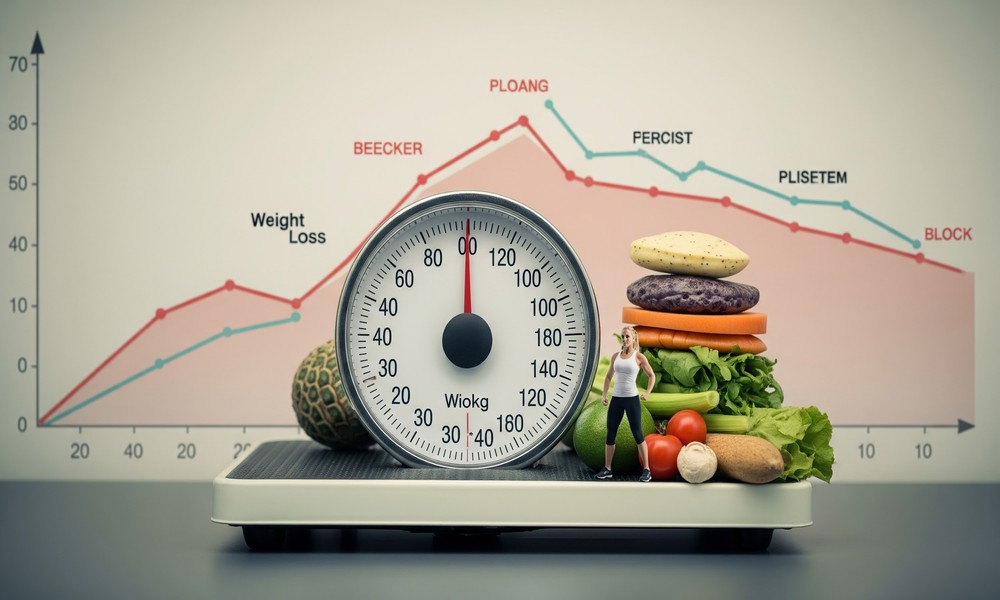
These biological responses explain why weight loss rarely follows a linear path. Plateaus are not signs of failure-they are signals that the body has adapted and may require a different type of support to continue progressing safely.
Hormones as Regulators of Weight, Energy, and Fat Storage
Hormones play a central role in regulating body weight. Insulin influences how glucose is stored and used, while cortisol affects fat distribution and muscle breakdown during periods of stress. Thyroid hormones regulate metabolic speed, and sex hormones influence muscle mass, fat storage, and energy levels.
When these systems fall out of balance, weight loss becomes significantly more difficult. Elevated insulin levels may promote fat storage even during calorie restriction. Chronic stress can raise cortisol levels, leading to increased abdominal fat and disrupted sleep. Subclinical thyroid dysfunction may reduce metabolic efficiency without obvious symptoms.
In many cases, weight loss plateaus occur not because of insufficient effort, but because hormonal signals are working against the individual’s goals.
When Lifestyle Changes Are No Longer Enough
Diet and exercise remain foundational to metabolic health, but they are not always sufficient-especially for individuals with underlying hormonal or metabolic challenges. Repeated dieting cycles, extreme calorie restriction, or excessive exercise can further disrupt hormonal balance over time.
In some cases, nutritional deficiencies, chronic inflammation, or insulin resistance may develop silently, reducing the body’s ability to respond to lifestyle changes. Without identifying and addressing these factors, individuals may continue to experience stalled progress despite increasing effort.
At this stage, a more comprehensive medical evaluation can help uncover contributing factors that are not visible through diet tracking alone.
Medical Evaluation and Structured Weight Loss Support
A clinical approach to weight management often includes metabolic testing, laboratory evaluation, and individualized planning based on physiology rather than generalized advice. Structured medical weight loss programs can assess markers such as insulin sensitivity, lipid profiles, thyroid function, and inflammatory indicators to identify barriers to progress.
Clinics such as Lions OpTimal Health, which function as weight loss clinics, often emphasize identifying metabolic inefficiencies that contribute to plateaus. This type of care shifts the focus from calorie counting alone to understanding how the body processes energy and stores fat under different conditions.
When weight loss is approached as a medical issue rather than a moral one, individuals are more likely to receive support that aligns with their unique physiology.
The Overlooked Role of Acute and Preventive Care in Weight Management
Weight plateaus may also intersect with other health concerns that fall outside traditional weight loss settings. Blood pressure changes, sleep disturbances, hormonal symptoms, and nutritional deficiencies can all influence metabolic health.
In urgent or primary care settings, clinicians may encounter patients struggling with weight alongside other conditions such as fatigue, joint pain, or metabolic syndrome. Facilities like Level One Urgent Care: www.leveloneurgentcare.com, which may address nutrition and weight management within broader men’s health conditions, often identify early warning signs that warrant further evaluation or referral.
This integrated perspective reinforces the idea that weight loss does not occur in isolation-it reflects the overall health of multiple organ systems.
Men’s Metabolism, Aging, and Hormonal Shifts
For men, weight loss plateaus often become more pronounced with age. Declining testosterone levels, reduced muscle mass, and increased insulin resistance can significantly alter metabolic function. These changes may occur gradually, making them easy to overlook until weight loss efforts stall.
Lower testosterone levels are associated with increased fat mass, reduced energy, and decreased motivation for physical activity. Combined with stress and poor sleep, hormonal shifts can create a metabolic environment that resists fat loss even with consistent exercise.
Specialized men’s health clinics such as EveresT Men’s Health, which focus on metabolic testing and men’s health evaluation, often assess how hormonal changes contribute to weight loss resistance. Identifying these factors allows for more targeted strategies that support metabolic efficiency rather than fighting against it.
Breaking Plateaus Through Coordinated, Individualized Care
Overcoming a weight loss plateau rarely involves a single solution. Instead, progress often requires coordinated care that addresses nutrition, physical activity, hormonal balance, mental health, and underlying medical conditions simultaneously.
Adjusting macronutrient intake, prioritizing strength training to preserve lean mass, optimizing sleep, and managing stress can all influence hormonal regulation. In some cases, medical intervention may be necessary to correct metabolic imbalances that cannot be resolved through lifestyle changes alone.
The most sustainable progress occurs when weight management is viewed as a long-term health strategy rather than a short-term goal.
Conclusion: Listening to the Body’s Signals
Weight loss plateaus are not a sign that the body is broken-they are signals that it has adapted. Recognizing these moments as opportunities for reassessment rather than failure allows individuals to approach weight management with greater patience and insight.
By understanding the role of hormones, metabolism, and coordinated medical care, individuals can move beyond frustration and toward solutions that respect the body’s complexity. Sustainable weight loss is rarely about pushing harder; more often, it is about listening more closely and responding with informed, compassionate care.
In acknowledging the biological realities behind plateaus, weight management becomes less about blame-and more about balance, health, and long-term well-being.
